


Understanding Corneal Scars
A corneal scar is a loss of transparency in the cornea caused by injury, infection, or inflammation. Since the cornea plays a vital role in focusing light, any scarring can interfere with clear vision.
The severity of vision impairment depends on the size, depth, and location of the scar.
Common Causes of Corneal Scarring
Corneal scars may develop due to:
- Previous corneal infections (such as keratitis)
- Eye injuries or trauma
- Chemical burns
- Complications from contact lens use
- Previous eye surgery
- Chronic inflammation of the cornea
Signs You May Need Treatment
You may benefit from evaluation if you experience:
- Blurred or hazy vision
- Glare or halos around lights
- Reduced visual clarity
- Sensitivity to light
- Eye discomfort or irritation
- Difficulty seeing clearly at night
Advanced Diagnosis for Corneal Scars
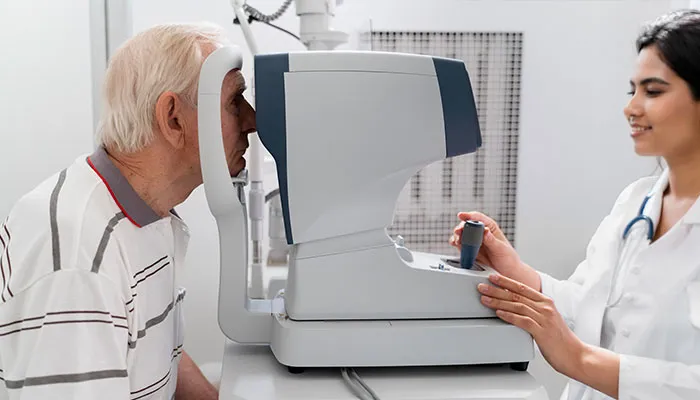
At Natasha Eye Care & Research Centre, we use advanced diagnostic tools to assess the extent and impact of corneal scarring.
Our evaluation includes:
- Detailed eye examination
- Corneal imaging and topography
- Assessment of scar depth and location
- Visual acuity testing
This helps determine the most appropriate treatment approach for your condition.
Corneal Scar Treatment Options in Pune
Treatment depends on the severity and location of the scar:
Medical Management
- Lubricating eye drops
- Medications to reduce inflammation
- Supportive care for mild cases
Specialised Contact Lenses
- Rigid gas permeable (RGP) lenses
- Scleral lenses
These help improve vision by creating a smooth optical surface over the cornea.
Advanced Procedures
- Laser-based treatments in selected cases
- Surgical options for deeper or central scars
Corneal Transplant (Severe Cases)
In cases of significant scarring affecting vision, procedures such as DALK or PK may be recommended.
What to Expect During Your Visit
Before Treatment
- Comprehensive eye examination
- Diagnostic imaging and assessment
- Personalised treatment planning
During Treatment
- Non-invasive or surgical procedures based on severity
- Care provided by experienced specialists
- Focus on comfort and precision
After Treatment
- Gradual improvement in vision
- Follow-up visits to monitor healing
- Ongoing care to optimise visual outcomes
Why Early Evaluation Matters
Corneal scars can worsen or affect vision more significantly over time if not properly managed.
Early evaluation helps:
- Identify the extent of scarring
- Prevent further visual deterioration
- Explore effective treatment options early
- Improve long-term visual outcomes
Why Choose Us for Corneal Scar Treatment in Pune
Patients trust Natasha Eye Care & Research Centre for specialised corneal care due to our expertise and advanced approach:
- Experienced specialists in corneal disorders
- Advanced diagnostic technology for precise assessment
- Access to modern treatment options, including specialty lenses and surgery
- Personalised care tailored to each patient
- Comprehensive eye care under one roof
Improve Vision Affected by Corneal Scarring
If corneal scarring is affecting your vision or quality of life, timely treatment can help improve clarity and comfort.
Consult our specialists for a detailed evaluation and personalised care plan designed to restore vision and support long-term eye health.
Frequently Asked Questions
A corneal scar is a loss of transparency in the cornea caused by injury, infection, or inflammation, affecting vision.
Yes, depending on their size and location, corneal scars can cause blurred or distorted vision.
Treatment may include medications, specialised contact lenses, or surgical procedures depending on severity.
Some scars can be treated or improved with advanced procedures, while severe cases may require surgical intervention.
Yes, specialised lenses such as RGP or scleral lenses can significantly improve vision in many cases.
A transplant may be recommended when scarring is severe and significantly affects vision.
Most treatments are comfortable and well-managed with appropriate care and anaesthesia when required.
Recovery depends on the treatment approach, ranging from a few days for mild cases to longer for surgical procedures.