


Understanding Keratoconus
Keratoconus is a progressive eye condition in which the cornea becomes thin and bulges outward into a cone-like shape. This irregular shape prevents light from focusing properly on the retina, leading to distorted and blurred vision.
The condition often begins in the teenage years or early adulthood and may worsen over time if not managed appropriately.
Causes and Risk Factors
While the exact cause of keratoconus is not always known, several factors may contribute to its development:
- Genetic predisposition
- Frequent eye rubbing
- Chronic eye allergies
- Weak corneal structure
- Environmental factors
Early detection plays a crucial role in preventing progression.
Signs You May Have Keratoconus
You may need a detailed evaluation if you experience:
- Blurred or distorted vision
- Frequent changes in spectacle prescription
- Increased sensitivity to light
- Difficulty seeing clearly at night
- Glare and halos around lights
- Eye strain or headaches
Advanced Diagnosis for Keratoconus
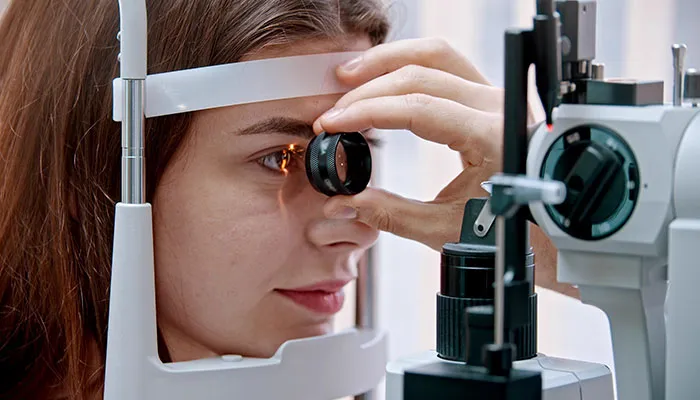
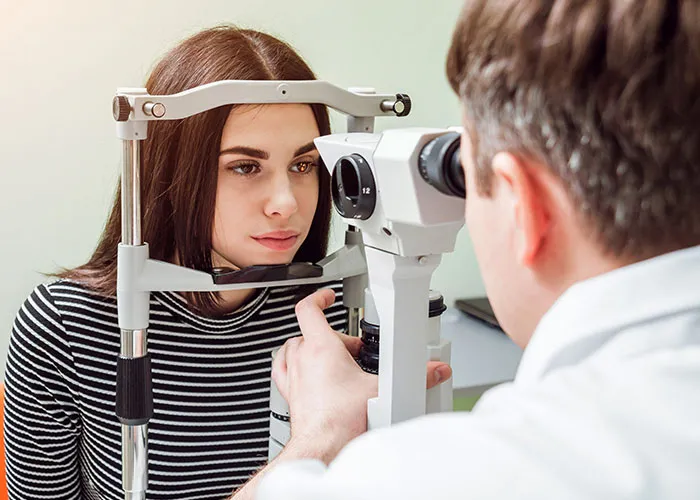
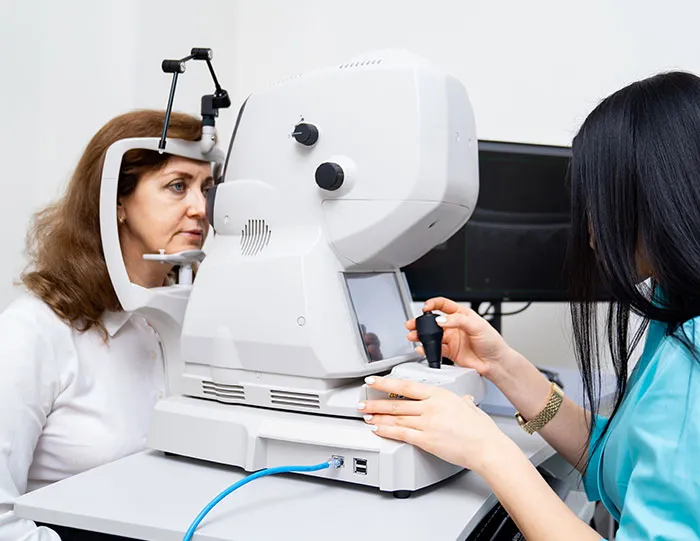
At Natasha Eye Care & Research Centre, we use advanced diagnostic technology to detect keratoconus at an early stage and monitor its progression.
Our evaluation includes:
- Detailed eye examination
- Corneal topography (mapping of the cornea)
- Corneal thickness measurement
- Visual acuity assessment
This allows for precise diagnosis and personalised treatment planning.
Keratoconus Treatment Options in Pune
Treatment depends on the stage and severity of the condition. We offer a comprehensive range of solutions:
Corneal Collagen Cross-Linking (CXL)
A minimally invasive procedure that strengthens the cornea and helps stop the progression of keratoconus.
Specialised Contact Lenses
- Rigid gas permeable (RGP) lenses
- Scleral lenses
These improve vision by creating a smooth optical surface over the cornea.
Glasses (Early Stages)
Spectacles may help correct vision in the initial stages of keratoconus.
Corneal Transplant (Advanced Cases)
In severe cases where other treatments are not effective, procedures such as DALK or PK may be recommended.
What to Expect During Your Visit
Before Treatment
- Comprehensive eye examination
- Advanced diagnostic testing
- Personalised treatment planning
During Treatment
- Non-invasive or minimally invasive procedures (depending on treatment)
- Comfortable and carefully monitored process
- Performed by experienced specialists
After Treatment
- Stabilisation of the condition (in most cases)
- Gradual improvement in vision
- Regular follow-up to monitor progress
Why Early Treatment Matters
Keratoconus is a progressive condition, but timely intervention can significantly slow or stop its progression.
Early treatment helps:
- Prevent worsening of vision
- Reduce the need for complex surgery
- Maintain long-term eye health
- Improve quality of life
Why Choose Us for Keratoconus Treatment in Pune
Patients trust Natasha Eye Care & Research Centre for specialised keratoconus care because of our expertise and advanced approach:
- Experienced specialists in corneal disorders
- Advanced diagnostic technology for early detection
- Access to modern treatments including cross-linking and specialty lenses
- Personalised care plans for every patient
- Comprehensive eye care under one roof
Protect Your Vision from Keratoconus Progression
Changes in vision can disrupt even the simplest tasks. With early diagnosis and the right care, keratoconus can be effectively managed.
Speak to our specialists for a detailed assessment and tailored treatment designed to protect your vision and improve long-term eye health.
Frequently Asked Questions
Keratoconus is a condition where the cornea becomes thin and bulges outward, causing distorted vision.
Symptoms include blurred vision, frequent prescription changes, glare, and difficulty seeing at night. A detailed eye examination is required for diagnosis.
Keratoconus cannot be completely cured, but treatments can effectively slow or stop its progression and improve vision.
Corneal cross-linking is a procedure that strengthens the cornea using riboflavin drops and UV light to prevent further progression.
Specialised lenses are often recommended to improve vision, especially in moderate stages of the condition.
A corneal transplant may be needed in advanced cases where other treatments no longer provide adequate vision correction.
Keratoconus is relatively uncommon but is increasingly diagnosed due to better awareness and advanced diagnostic tools.
Yes, it is a progressive condition. Early diagnosis and treatment are essential to slow or stop its progression.