



Understanding Limbal Stem Cell Transplant
The limbus is the border area between the cornea and sclera, containing essential stem cells responsible for maintaining and repairing the corneal surface.
When these stem cells are damaged or lost, the cornea loses its ability to regenerate properly, leading to persistent pain, scarring, and vision impairment. A limbal stem cell transplant replaces or restores these vital cells to rebuild a healthy ocular surface.
Conditions That May Require This Treatment
Limbal stem cell transplantation may be recommended in cases of:
- Chemical or thermal eye injuries
- Severe corneal burns
- Chronic infections affecting the limbus
- Ocular surface scarring
- Stevens-Johnson syndrome
- Multiple failed eye surface surgeries
- Severe contact lens–related damage (rare cases)
Signs and Symptoms of Limbal Stem Cell Deficiency
You may need evaluation if you experience:
- Persistent redness and irritation
- Chronic eye pain or discomfort
- Blurred or fluctuating vision
- Recurrent corneal ulcers
- Sensitivity to light
- Poor healing of the eye surface
- Visible changes in corneal clarity
Types of Limbal Stem Cell Transplant Procedures
At Natasha Eye Care & Research Centre, we offer tailored surgical approaches based on severity and eye condition:
Autologous Limbal Stem Cell Transplant
Stem cells are taken from the patient's healthy eye (when only one eye is affected) and transplanted to the damaged eye.
Allogenic Limbal Stem Cell Transplant
Stem cells are sourced from a donor when both eyes are affected.
Cultivated Limbal Epithelial Transplantation (CLET)
Advanced laboratory-based technique where stem cells are expanded before transplantation.
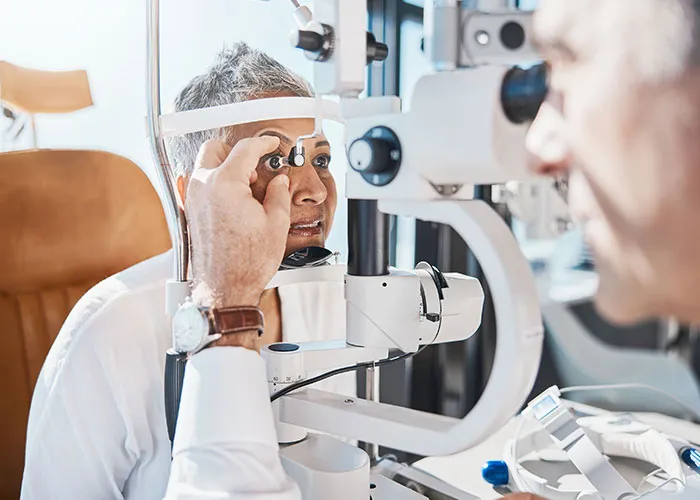
Advanced Diagnostic Evaluation
A detailed assessment is essential before planning surgery.
Our evaluation includes:
- Comprehensive slit-lamp examination
- Ocular surface imaging
- Assessment of limbal function
- Corneal clarity and vascularisation analysis
- Tear film and surface stability testing
This helps determine the most appropriate surgical approach.
What to Expect During Treatment
Before Treatment
- Detailed consultation and diagnostic evaluation
- Identification of underlying cause of stem cell loss
- Surgical planning based on severity and eye condition
During Treatment
- Advanced microsurgical procedure under sterile conditions
- Careful transplantation of limbal stem cells
- Precision techniques to ensure graft stability
After Treatment
- Gradual regeneration of the corneal surface
- Regular monitoring of graft health
- Long-term supportive therapy to maintain results
Recovery and Healing Process
Recovery after limbal stem cell transplantation is gradual and requires close follow-up:
- Initial healing over several weeks
- Progressive improvement in ocular surface stability
- Regular medication to support graft survival
- Long-term follow-up for visual optimisation
Visual improvement depends on the severity of pre-existing damage and overall eye health.
Benefits of Limbal Stem Cell Transplant
- Restores corneal surface regeneration
- Reduces chronic pain and irritation
- Improves visual clarity in suitable cases
- Prevents further corneal deterioration
- Enhances overall eye surface stability
Why Choose Us for Limbal Stem Cell Transplant in Pune
Patients trust Natasha Eye Care & Research Centre for advanced ocular surface reconstruction due to our expertise and precision-driven approach:
- Experienced corneal and ocular surface specialists
- Advanced surgical and regenerative techniques
- Comprehensive evaluation and personalised treatment planning
- Expertise in managing complex ocular surface diseases
- Dedicated follow-up and long-term care
Restore Your Eye Surface and Protect Your Vision
If you are experiencing chronic ocular surface disease or limbal stem cell deficiency, early intervention can help restore eye health and improve visual outcomes.
Consult our specialists for a detailed evaluation and personalised treatment plan tailored to your condition.
Frequently Asked Questions
It is a surgical procedure that restores damaged stem cells responsible for maintaining a healthy corneal surface.
Patients with severe ocular surface damage due to burns, infections, or chronic diseases may require it.
Yes, it is a specialised procedure performed by experienced corneal surgeons with careful evaluation and planning.
Recovery is gradual and may take several weeks to months depending on the severity of the condition.
Many patients experience improved vision and comfort, depending on the extent of prior damage.
Autologous uses the patient's own cells, while allogenic uses donor stem cells.
In many cases, results are long-lasting with proper follow-up and care.
Yes, regular follow-ups are essential to ensure graft health and optimal outcomes.